Launching an FMCG product involves dozens of decisions — materials, finishes, dieline structure, compliance labeling, and print quantities. Get any of them wrong and you face delays, cost overruns, or products that don't pass regulatory checks. This guide walks through the full process.
Step 1: Define Your Pack Format
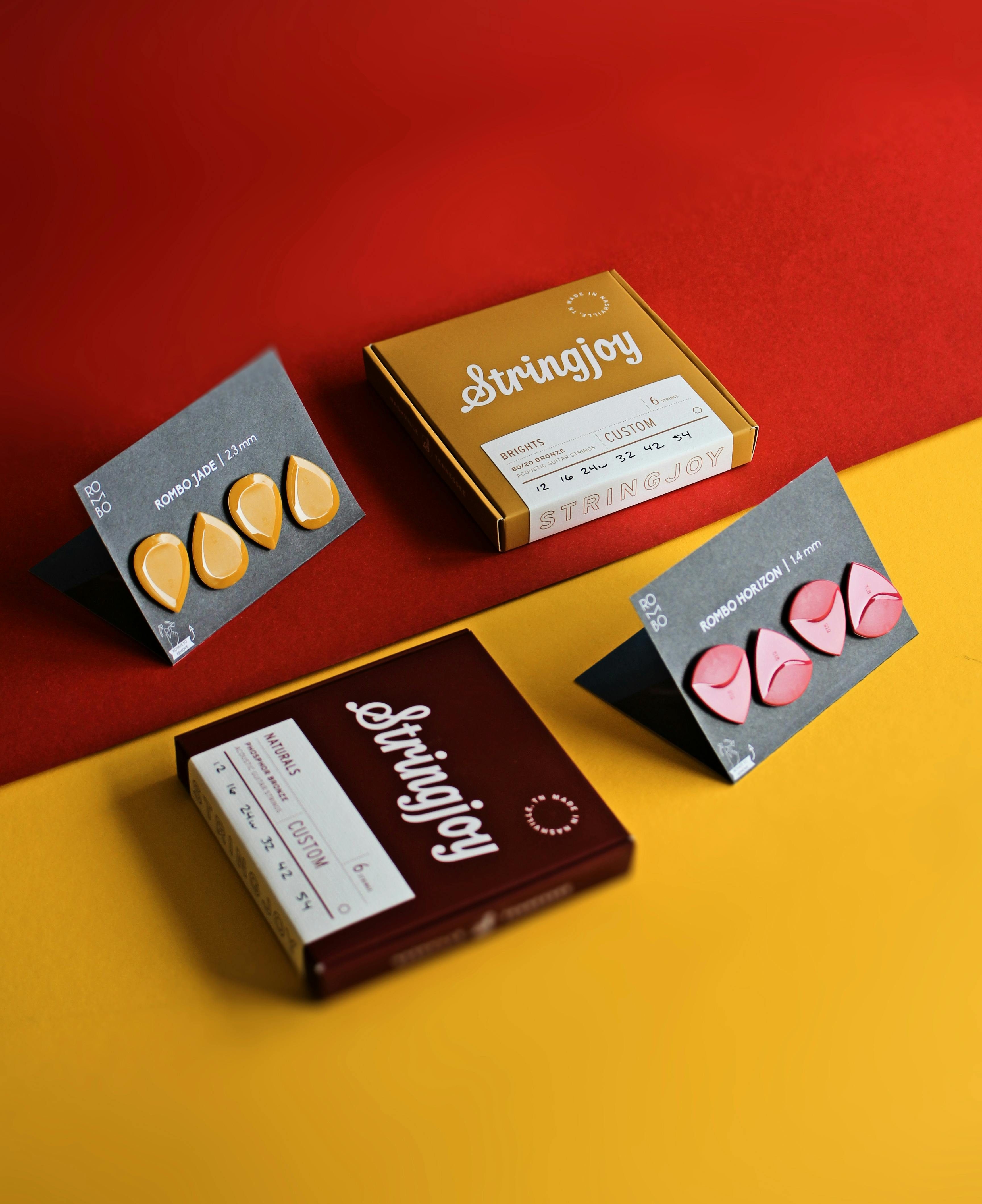
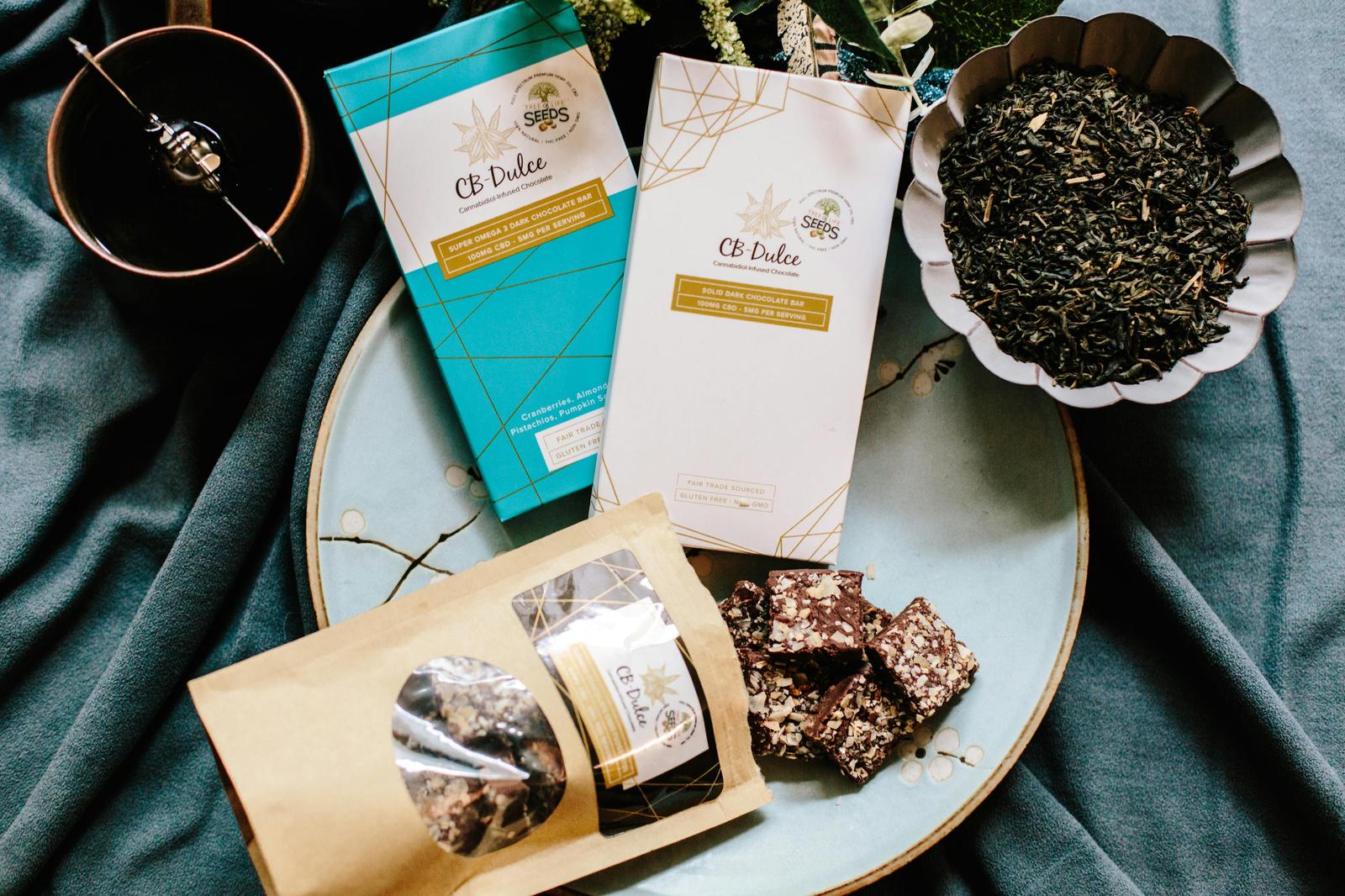
Before any design work begins, decide on the physical format — pouch, box, carton, sachet, label. This determines your dieline, material choices, and manufacturing process. Each format has different minimum quantities, cost structures, and lead times. Your print partner should be able to provide format guidance and sample dielines before you begin.
Step 2: Material Selection
Food packaging materials must comply with FSSAI regulations for food contact safety. Common options include BOPP, PE, PET laminates for flexible packaging, and SBS or duplex board for cartons. The material affects barrier properties (moisture, oxygen), shelf life, and the tactile quality of the finished package. Your print partner should be able to advise on food-grade certifications for each material option.
Step 3: Artwork and Compliance Labeling
FMCG packaging must include: product name, net weight/volume, ingredient list, nutritional information (for food), FSSAI license number, manufacturer name and address, MRP (in the correct format), manufacturing and expiry date provision, and batch number provision. Missing any of these can get your product rejected at retail or flagged by FSSAI inspectors. Always have a compliance-aware designer or consultant review the artwork before going to press.
Step 4: Artwork Preparation
All packaging artwork must be in CMYK colour mode (not RGB), at 300 DPI minimum resolution, with 3mm bleed on all sides, fonts outlined (not live text), and supplied on the correct dieline template. Supplying incorrect files is one of the most common causes of print delays. Your printer should provide a detailed file specification checklist before you start design work.
Step 5: Proofing Before Production
Always request a digital proof and, for packaging, ideally a physical mock-up before your full print run. Check colours (compare against Pantone swatches if brand colours are critical), text accuracy, barcode scannability, and structural integrity. Reprinting a full packaging run because of a proof error is an expensive lesson — a physical mock-up typically costs ₹500–₹2,000 and can save lakhs in reprint costs.
Step 6: Production and Quality Control
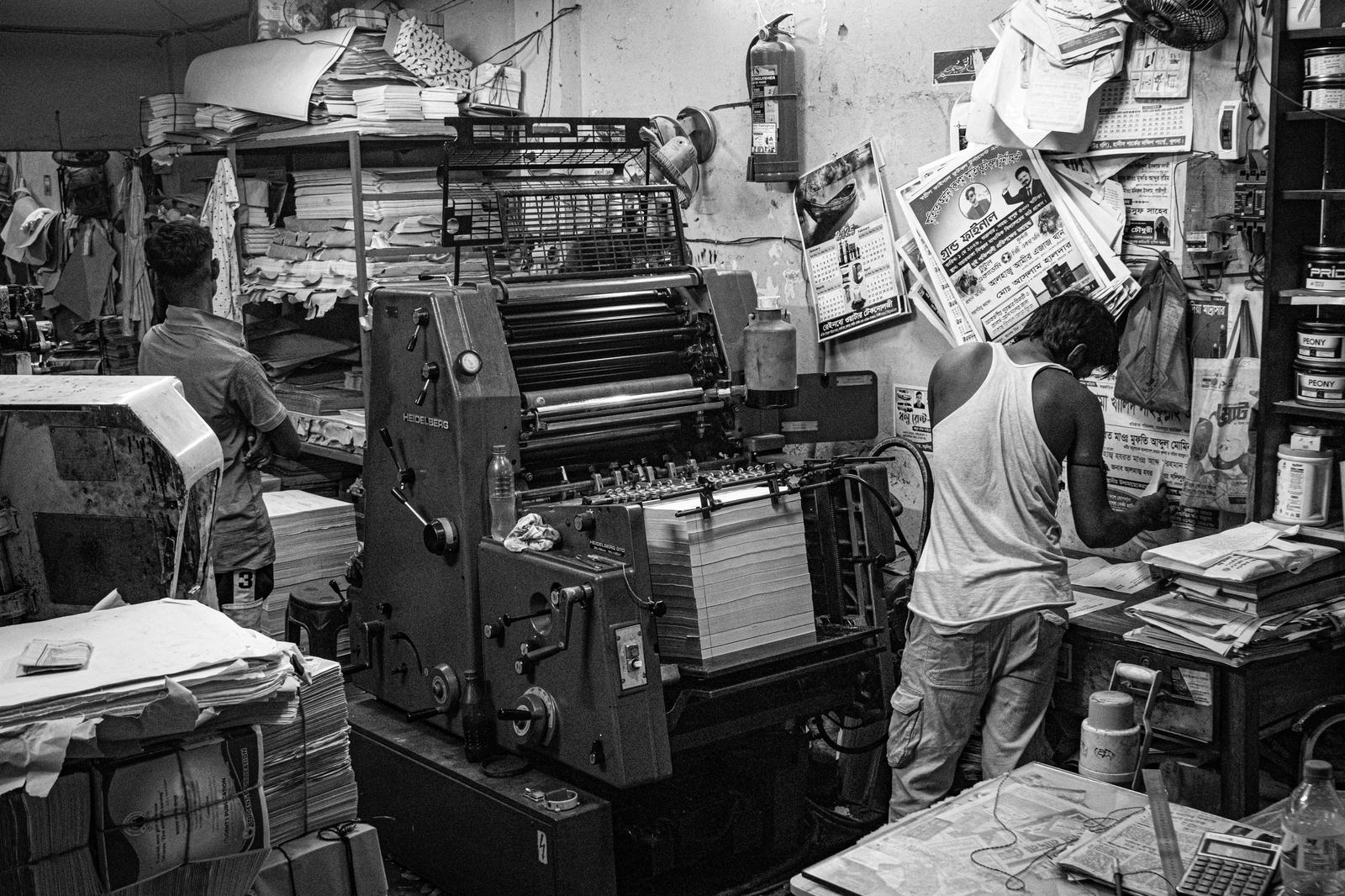
During production, a good print partner will conduct colour checks, registration checks, and finishing quality checks at multiple stages. Ask for press passes on your first run — attending the press check gives you real-time approval control and catches issues before they multiply across thousands of units.
Designer Wave manages the full FMCG packaging process — from dieline development and compliance artwork to print and delivery. We've done this for 100+ FMCG brands. Start your project with us.